PEX vs Copper Plumbing: Cost, Safety, Lifespan and Which Is Better
If you’re building a home, remodeling, or replacing old pipes, you’ll have to choose a pipe material. For most homes, it comes down to two choices: PEX or copper. Copper has been the standard for decades and has a long track record. PEX is a newer plastic pipe that’s now used in most new homes. Each one has real strengths and real weak spots.
In this guide, we compare PEX vs copper plumbing in plain, simple words. You’ll see what each pipe costs in 2026, how long each one lasts, and how they handle freezing, hard water, and heat. We’ll also answer common questions, like “Is PEX safe for drinking water?” and “Is PEX better than copper?” Then we’ll help you decide which one fits your home and your budget. By the end, you’ll know exactly what to ask your plumber.
Quick answer: PEX is cheaper (about $0.50 to $2 per foot), faster to install, handles freezing better, and won’t corrode from hard or acidic water. A whole-house PEX repipe costs about $4,000 to $8,000. Copper costs more (about $2 to $8 per foot, or $8,000 to $15,000 for a repipe), but it lasts longer (50 to 70 years), resists heat, sunlight, and rodents, and has a 70-plus-year track record. For most homes today, PEX is the better value. Copper still makes sense for exposed pipes, outdoor runs, and near water heaters.
PEX vs Copper Plumbing at a Glance
Here’s a quick side-by-side look at PEX vs copper plumbing before we get into the details.
| Feature | PEX | Copper |
|---|---|---|
| Material | Flexible plastic (cross-linked polyethylene) | Rigid metal |
| Pipe cost per foot | About $0.50 to $2 | About $2 to $8 |
| Whole-house repipe | About $4,000 to $8,000 | About $8,000 to $15,000 |
| Lifespan | About 30 to 50 years | About 50 to 70 years |
| Installation | Fast; bends around corners; few fittings | Slow; needs cutting, fittings, and soldering |
| Freezing | Expands; less likely to burst | Can split or burst |
| Corrosion | Won’t corrode or build up scale | Can get pinhole leaks with acidic or very hard water |
| Sunlight (UV) | Breaks down in sunlight | Not affected |
| Rodents | Can be chewed | Resists rodents |
| Heat loss | Holds heat better | Loses heat faster unless insulated |
| Noise | Quieter; less water hammer | Can bang or knock |
| Recyclable | Hard to recycle | Fully recyclable |
Typical cost and lifespan ranges from 2026 industry and contractor data.
What Is PEX Pipe?
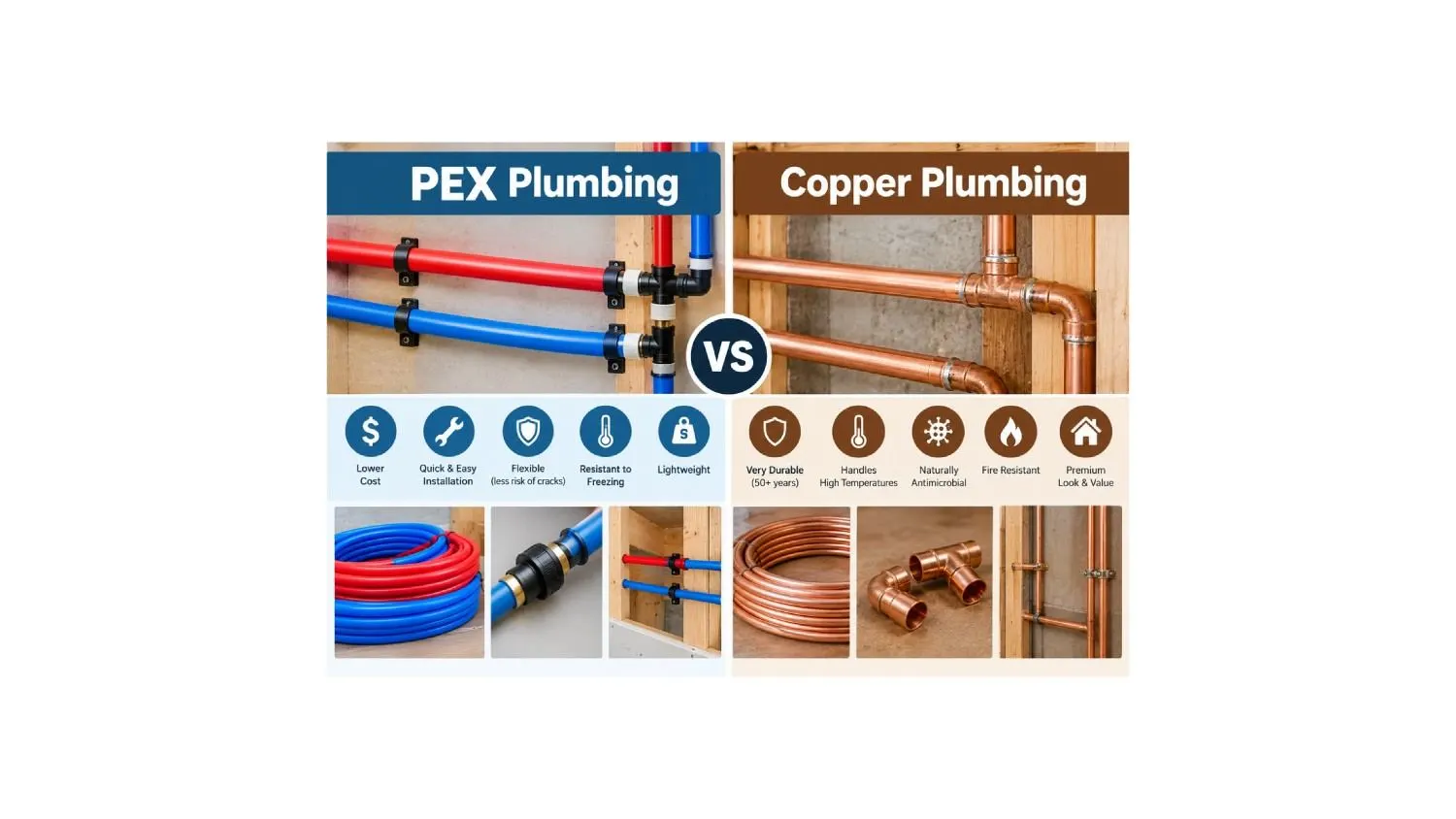
PEX pipe is made of cross-linked polyethylene, a strong, flexible plastic. It comes in long rolls and is often color-coded: red for hot water, blue for cold, and white or gray for either. Because it bends, plumbers can run it through walls and around corners much like electrical wire, with far fewer joints.
PEX has been used in the U.S. since the 1980s and became common in homes in the 2000s. Today, it’s in most new houses and many repipes.
Types of PEX Pipe
| Type | What it’s like | Good to know |
|---|---|---|
| PEX-A | Most flexible and strongest | Kinks can be fixed with a heat gun; handles freezing best; costs the most; often uses expansion fittings |
| PEX-B | Stiffer, very common | Cheaper; uses crimp or clamp fittings; good for most homes |
| PEX-C | Softer, less common | Cheapest; kinks more easily |
Most homeowners will be fine with PEX-A or PEX-B. PEX-A is the favorite in cold climates because it’s the most flexible and freeze-tolerant.
What Is Copper Pipe?
Copper pipe is a rigid metal pipe that’s been used in American homes since the mid-1900s. Plumbers cut it to length and join it with fittings, usually by soldering with a torch or using press fittings. It’s known for being strong, long-lasting, and resistant to heat.
Copper comes in three main thicknesses for homes:
- Type K: The thickest. Used mostly for underground water lines.
- Type L: Medium thickness. The most common choice for indoor water lines and the one most plumbers recommend.
- Type M: The thinnest and cheapest. Used in some homes, but more prone to pinhole leaks.
PEX vs Copper Plumbing Pros and Cons
Every pipe has trade-offs. Here are the main pros and cons in the PEX vs copper plumbing choice, side by side.
PEX Pros
- Much cheaper. Both the pipe and the labor cost less.
- Faster to install. It bends around corners, so it needs fewer fittings and less wall cutting.
- Handles freezing better. It can expand when water freezes, so it’s less likely to burst.
- No corrosion or scale. Hard water and acidic water won’t eat through it.
- Quieter. It absorbs shock, so you get less banging (water hammer).
- Keeps water hot. Plastic doesn’t lose heat as fast as metal.
- No open flame needed to install, which lowers fire risk.
PEX Cons
- Can’t go outside or in sunlight. UV light makes it brittle, sometimes within a month.
- Rodents can chew it. Mice and rats can cause hidden leaks.
- Heat limits. It shouldn’t be connected directly to a water heater. Very hot water (180°F and up) can shorten its life.
- Shorter track record. It’s been used for about 40 years, versus 70-plus for copper.
- Fittings matter. Poor-quality fittings or bad crimps can leak.
- Taste or smell. Some new PEX can give water a plastic taste or smell at first.
- Not recyclable. It’s harder on the environment at the end of its life.
Copper Pros
- Lasts a long time. Often 50 to 70 years in good water conditions.
- Proven track record. It’s been used in homes for generations.
- Handles heat and sunlight. It’s safe for outdoor use and near water heaters.
- Rodent-proof. Pests can’t chew through it.
- Naturally antimicrobial. Copper slows the growth of some bacteria.
- Fully recyclable and may even add resale appeal for some buyers.
Copper Cons
- Expensive. The pipe costs more, and prices go up and down with the metal market.
- Slower, harder install. More fittings, more labor, and often more drywall to cut.
- Can freeze and burst. Rigid pipes split when water inside them freezes.
- Pinhole leaks. Acidic water, very hard water, or fast-moving water can wear tiny holes over time.
- Noisier. It can bang and knock when valves close quickly.
- Theft risk. In empty or new homes, copper is sometimes stolen for scrap.
PEX vs Copper Cost
Cost is the biggest reason homeowners pick PEX in the PEX vs copper plumbing decision. Here’s how PEX vs copper cost compares in 2026:
| Cost item | PEX | Copper |
|---|---|---|
| Pipe per linear foot | About $0.50 to $2 | About $2 to $8 |
| Whole-house repipe (average home) | About $4,000 to $8,000 | About $8,000 to $15,000 |
| Labor | Lower; fewer fittings and faster runs | Higher; skilled soldering and more time |
| Repairs | Usually cheaper and easier | Often more drywall work |
For an average two-bathroom, 1,500-square-foot home, copper repiping typically costs about 58% to 68% more than PEX. Your price will depend on your home’s size, the number of bathrooms, how easy the walls are to reach, and local labor rates. Copper prices also change with the metal market, so quotes can move from month to month.
Is PEX Safe for Drinking Water?
Yes. PEX that’s sold for home water lines must meet strict safety standards, including NSF/ANSI 61, which tests pipes for harmful chemicals that could get into drinking water. It’s approved for drinking water by all major U.S. plumbing codes.
That said, there’s ongoing research. University researchers have found that some PEX brands can give off small amounts of chemicals and a plastic smell, especially when new. In one study, odor levels in water from several PEX brands went above EPA guidelines at first. The researchers did not say PEX is unsafe to drink from. They said more testing is needed and that results differ by brand.
Tips if you choose PEX:
- Pick pipe that’s clearly marked NSF-61 or NSF-pw certified.
- Choose a well-known brand.
- Flush new lines well before drinking the water.
- Use cold water for drinking and cooking, which is good advice for any pipe.
Is Copper Plumbing Healthier Than PEX?
Not clearly. Copper has natural antimicrobial properties, which is a plus. But copper can also leach into water when the water is acidic or soft, which can cause a metallic taste and, at high levels, stomach problems. Older copper systems may also have lead solder (banned for drinking water in 1986). Both PEX and copper are considered safe for drinking water when installed to code. If you’re worried, get your water tested.
Is PEX Better Than Copper?
This is the heart of the PEX vs copper plumbing question. Is PEX better than copper? For most homes, yes, especially when cost, freezing, and hard water are big concerns. But copper is still better in some situations.
Choose PEX if:
- You’re repiping a whole house on a budget.
- You live somewhere with cold winters and freeze risk.
- You have hard or acidic water that eats through copper.
- You’re doing a DIY project (PEX is much easier to work with).
- You want quieter pipes and fewer joints inside walls.
Choose copper if:
- Pipes will be exposed to sunlight or run outdoors.
- You need lines right next to a water heater or other high-heat equipment.
- You have problems with mice or rats.
- You want the longest proven lifespan and your water is balanced.
- You’re matching an existing copper system in good condition.
The Hybrid Option
You don’t always have to pick a side in the PEX vs copper plumbing debate. Many plumbers use both. A common setup is copper for the main line, near the water heater, and at exposed spots, with PEX inside the walls running to each fixture. This gives you copper’s strength where it matters and PEX’s lower cost and flexibility everywhere else.
PEX vs Copper Plumbing: Lifespan and Durability
When it comes to lifespan, PEX vs copper plumbing is closer than many people think. Copper typically lasts 50 to 70 years, while PEX is expected to last 30 to 50 years. Some manufacturers and retailers estimate PEX at about 50 years.
Real-world life depends on your conditions:
- Acidic or very hard water shortens copper’s life because of pinhole leaks.
- High chlorine levels, sunlight, and very hot water shorten PEX’s life.
- Freezing is much harder on copper.
- Poor installation shortens the life of both.
Is PEX OK for a Hot Water Heater?
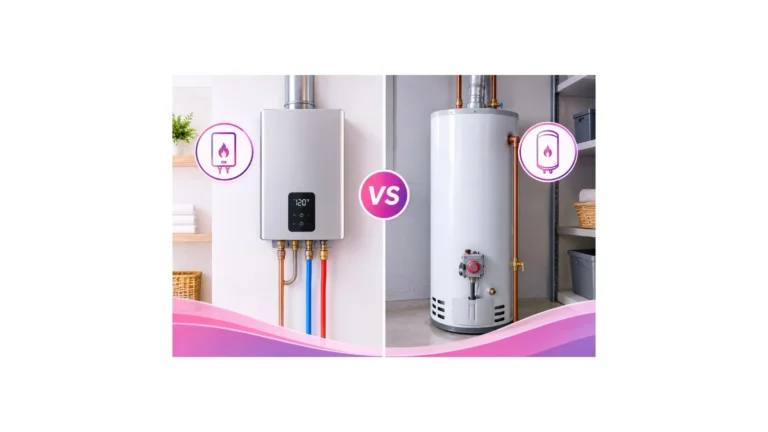
PEX can carry hot water, and it’s rated for normal home water temperatures. But most manufacturers and plumbing codes say not to connect PEX directly to a water heater.
Use a metal transition: Plumbers usually use 18 inches or more of copper or a metal connector between the water heater and the PEX. This protects the PEX from the extra heat right at the heater, especially on gas units. Check your PEX brand’s instructions and your local code.
Why Don’t Some Insurance Companies Like PEX?
Most insurance companies are fine with PEX today. But some homeowners hear that insurers are wary of it. Here’s why:
- Confusion with polybutylene. Polybutylene was a gray plastic pipe used from the 1970s to the 1990s that failed often and caused many water damage claims. Some people still mix it up with PEX, even though PEX is a different and much more reliable material.
- Early fitting problems. Some older brass PEX fittings had problems with corrosion and led to lawsuits. Newer fittings have largely fixed this.
- Shorter history. PEX doesn’t have copper’s 70-year record yet.
If you’re repiping, tell your insurance company. Many insurers actually prefer new PEX to old galvanized steel or polybutylene pipes, and a new system can sometimes help your rates.
What Are the Downsides of PEX Pipe?
To sum up the main downsides of PEX pipe:
- It breaks down in sunlight and can’t be used outdoors without protection.
- Rodents can chew through it.
- It shouldn’t connect directly to a water heater.
- It can give water a plastic taste or smell at first.
- Bad fittings or poor crimps can leak.
- It’s not easy to recycle.
None of these are deal-breakers for most homes. They just mean PEX needs to be installed in the right places, the right way.
PEX vs Copper Plumbing in Cold Climates and Hard Water
Your local weather and water can decide the PEX vs copper plumbing question for you.
- Cold climates: When water freezes, it expands. Rigid copper can’t stretch, so it often splits. PEX, especially PEX-A, can stretch and then shrink back, so it’s much less likely to burst. It isn’t freeze-proof, though. Pipes in cold crawl spaces, attics, and outside walls still need insulation either way.
- Well water: Many private wells have acidic or corrosive water. That can eat through copper and cause pinhole leaks within years. If you’re on a well, test your water’s pH before choosing. PEX is often the safer pick for acidic well water, or you can treat the water first.
- Hard or acidic water: Very hard water leaves mineral scale, and acidic or soft water can slowly eat away at copper and cause pinhole leaks. PEX doesn’t react with water minerals, so it stays clean inside. If you’ve had pinhole leaks in copper before, or your water test shows low pH, PEX is usually the safer pick.
- High chlorine: Some city water has high chlorine levels, which can wear down PEX faster over many years. Most PEX is rated for normal chlorinated city water, but check the chlorine rating on the brand you choose.
PEX vs Copper vs CPVC
CPVC is another plastic pipe some homes use. It’s cheap and resists corrosion, but it’s rigid and can get brittle with age, especially in cold areas. Here’s a quick look:
| Feature | PEX | Copper | CPVC |
|---|---|---|---|
| Cost | Low | High | Low |
| Flexibility | Very flexible | Rigid | Rigid |
| Freeze resistance | Best | Poor | Poor |
| Lifespan | 30 to 50 years | 50 to 70 years | About 50 years |
| Joining method | Crimp, clamp, expansion, push-fit | Solder or press | Glue (solvent cement) |
For most homeowners today, the real choice is still PEX vs copper plumbing. CPVC is less common in new homes.
How PEX Is Laid Out: Manifold vs Trunk-and-Branch
In the PEX vs copper plumbing choice, layout matters too. PEX can be installed in two main ways, and the layout affects cost, water pressure, and how fast hot water reaches your taps.
- Manifold (home-run) system: Every fixture gets its own PEX line running back to a central manifold, which works like a breaker panel for water. You can shut off one fixture without turning off the whole house, and each tap gets steady pressure. It uses more pipe but very few hidden joints.
- Trunk-and-branch system: A larger main line runs through the house, and smaller lines branch off to each fixture, much like a traditional copper layout. It uses less pipe and is often cheaper, but it has more fittings inside the walls.
- Hybrid layouts: Many plumbers combine the two, with a main trunk feeding small manifolds in bathrooms or the kitchen.
Copper systems almost always use the trunk-and-branch style, because rigid pipe can’t easily make the long, separate runs a manifold needs.
Push-Fit Fittings: A Faster Way to Join Both Pipes
Push-fit fittings snap onto the pipe by hand, with no soldering, crimping, or glue. They work on PEX, copper, and CPVC, so they’re handy for repairs and for connecting one type of pipe to another. Contractors who don’t plumb every day often like them a lot. One general contractor said a 4-hour copper soldering job took him about an hour with push-fit fittings, mistakes were easy to undo, and there was no risk of starting a fire with a torch.
The trade-off is price. Each push-fit fitting costs much more than a standard copper or crimp fitting. Many plumbers use them for quick repairs and tight spots but prefer crimp, expansion, or soldered joints for whole-house work, especially for joints hidden inside walls.
Not Everyone Loves PEX
While PEX is now the most popular choice for new homes, some tradespeople remain skeptical. Their concerns are worth knowing:
- PEX doesn’t have copper’s long track record, so its true lifespan in every condition isn’t fully proven yet.
- Some early PEX fittings failed and led to lawsuits, which still makes some builders cautious.
- PEX isn’t the right pipe for every job. It shouldn’t be used outdoors in sunlight, right next to water heaters, or where rodents are a problem.
The fair takeaway on PEX vs copper plumbing: modern PEX installed to code with quality fittings has a strong record, but it works best when it’s used where it fits, not everywhere.
Can You Do It Yourself?
For DIYers, PEX vs copper plumbing isn’t a close call. PEX is much more DIY-friendly than copper. You don’t need a torch, and push-fit or crimp fittings are fairly easy to learn. Copper soldering takes practice, and an open flame inside walls can be risky. Still, a whole-house repipe is a big job that usually needs a permit. For anything more than a small repair or a simple new line, hire a licensed plumber.
Frequently Asked Questions
Is PEX better than copper?
For most homes, PEX is the better value. It’s cheaper, faster to install, handles freezing better, and won’t corrode. Copper is better for outdoor or exposed pipes, near water heaters, and where rodents are a problem.
Is PEX safe for drinking water?
Yes. PEX sold for home water lines must meet NSF/ANSI 61 drinking water standards and is approved by U.S. plumbing codes. Some new PEX may cause a plastic taste or smell at first, so flush new lines well.
How much cheaper is PEX than copper?
PEX pipe costs about $0.50 to $2 per foot, versus about $2 to $8 for copper. A whole-house PEX repipe usually costs about $4,000 to $8,000, compared with about $8,000 to $15,000 for copper.
How long does PEX pipe last?
PEX is expected to last about 30 to 50 years, with some estimates around 50 years. Copper typically lasts 50 to 70 years.
Why don’t insurance companies like PEX plumbing?
Most insurers accept PEX. Some concern comes from confusion with polybutylene, an older plastic pipe that failed often, and from problems with some early PEX fittings. Modern PEX installed to code is widely accepted.
Is PEX OK for a hot water heater?
PEX can carry hot water, but it usually shouldn’t connect directly to the water heater. Most codes and manufacturers call for a short section of copper or a metal connector first.
Is copper plumbing healthier than PEX?
Not clearly. Copper is naturally antimicrobial but can leach into acidic water. PEX is certified safe but may cause a plastic taste at first. Both are considered safe for drinking water when installed correctly.
What is better, PEX or PVC?
They’re used for different jobs. PEX is made for hot and cold drinking water lines inside the home. Standard PVC is mainly used for drains, vents, and cold water lines outdoors or underground, and it isn’t rated for hot water inside the house. For indoor hot and cold supply lines, the real choices are PEX, copper, or CPVC.
Is PEX used in new construction?
Yes. PEX is now used in most new homes in the U.S. because it’s cheaper, faster to install, and needs fewer fittings inside walls. Many builders still use copper for the main line, near the water heater, or for exposed pipes.
What are push-fit fittings, and are they reliable?
Push-fit fittings join pipes by simply pushing them together, with no tools or soldering. They work on PEX, copper, and CPVC and are reliable when installed correctly. They cost more per fitting, so many plumbers use them mainly for repairs and tight spaces.
Final Verdict: PEX vs Copper Plumbing
In the PEX vs copper plumbing debate, there’s no one winner for every home. PEX wins on price, ease of installation, freeze resistance, and hard water. That’s why it’s now the top choice for most new homes and whole-house repipes. Copper wins on lifespan, heat and sunlight resistance, rodent protection, and its long track record.
For many homes, the smartest choice is a mix: PEX inside the walls and copper where pipes are exposed or near the water heater. Get quotes for both, ask your plumber about your local water and climate, and choose the option that fits your home for the long run.