
How to Find a Roof Leak? 7 Easy Steps (Plus Latest Repair Costs)
A brown spot on the ceiling is never good news. It means water is getting into your home, and it won’t stop on its own. The tricky part is that the stain is often not right under the leak. Water can travel several feet along wood and pipes before it shows up. That’s why knowing how to find a roof leak can save you time, money, and a lot of stress.
In this guide, we’ll show you how to find a roof leak step by step, in plain and simple words. You’ll learn the signs to look for, the tools you need, and how to trace water back to where it starts. We’ll also cover the most common leak spots, homes with no attic, and how to tell a roof leak from a plumbing leak. Then we’ll look at roof leak repair cost in 2026 and whether insurance will help. By the end, you’ll know exactly what to do next.
Quick answer: To find a roof leak, start inside. Go into the attic with a flashlight and look at the wood right above the ceiling stain. Then follow any wet wood, dark streaks, or water trails uphill, because water runs down the roof before it drips. Check the usual trouble spots: flashing around chimneys and skylights, plumbing vent boots, roof valleys, and missing or damaged shingles. If you still can’t find it, do a hose test with a helper, or call a roofer.
Step 0: Protect Your Home Right Away
Before you learn how to find a roof leak, stop the water from doing more damage:
- Catch the water. Put a bucket under the drip. In the attic, set the bucket on a board laid across two joists, not on the ceiling itself.
- Move your stuff. Move furniture, rugs, and electronics away from the leak. Lay down towels or plastic.
- Turn off power to the area if water is near light fixtures or outlets.
- Take photos. You may need them for an insurance claim.
Watch for a bulging ceiling. If the ceiling is sagging with trapped water, keep people away from it. It can fall. Call a pro if you’re not sure what to do.
How to Detect a Roof Leak: Signs to Look For
Sometimes a leak is easy to spot. Other times, it shows up as small clues that slowly get worse. Here’s how to detect a roof leak early:
Signs Inside Your Home
- Yellow, brown, or orange stains on the ceiling or walls
- Paint that bubbles, peels, or swells
- Drywall that sags or feels soft
- A musty smell, or mold in corners near the ceiling
- Water dripping from light fixtures or ceiling fans
Signs in the Attic
- Dark or shiny wet spots on the roof boards or rafters
- Wet, flat, or stained insulation (insulation shows water damage faster than wood does)
- Rusty nails, or nails with dark rings around them
- Mold or black stains on the wood
- Daylight coming through the roof boards
Signs Outside
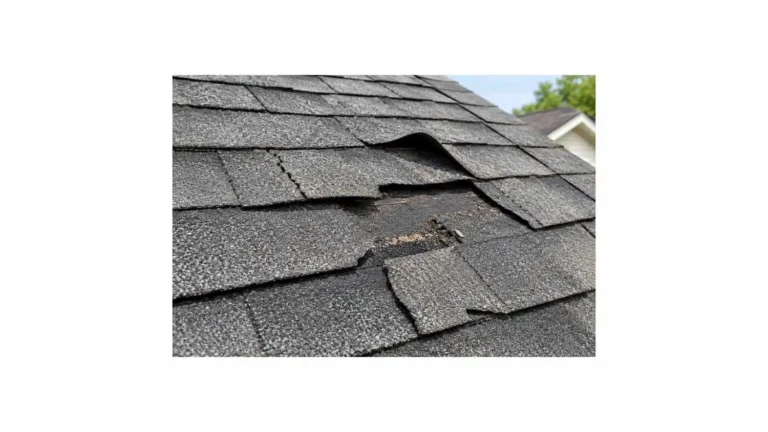
- Missing, cracked, or curled shingles
- Bent, rusty, or loose metal flashing
- Cracked rubber boots around vent pipes
- Stains on the outside walls or under the roof edge
- Shingle granules piling up in your gutters
Tools You’ll Need
| Tool | What it’s for |
|---|---|
| Bright flashlight or headlamp | Seeing wet spots in a dark attic |
| Dust mask, gloves, and safety glasses | Working around insulation |
| Binoculars or phone camera zoom | Checking the roof from the ground |
| Garden hose | Doing a water test |
| A helper and phones | One person on the roof, one in the attic |
| Tape measure and marker | Marking the leak so a roofer can find it from outside |
| Moisture meter (optional) | Finding damp wood or drywall you can’t see |
| Buckets and a board | Catching water safely |
How to Find a Roof Leak: Step by Step
Here’s how to find a roof leak the way many roofers do it: start inside, follow the water, then check the outside. Take your time with each step.
Step 1: Notice When and Where It Leaks
The timing of a leak is a big clue, and it’s the first step in how to find a roof leak. Write down when you see water. It will help you, or your roofer, narrow down the cause.
| When it leaks | Likely cause |
|---|---|
| Every time it rains | Missing shingles, a hole, or a cracked vent boot |
| Only in heavy rain | Clogged valleys or gutters, or worn flashing that overflows |
| Only in wind-driven rain | Loose flashing, lifted shingles, or gaps around windows and siding |
| When snow melts | Ice dams at the roof edge |
| On cold days with no rain | Condensation in the attic, not a roof leak |
| Anytime, even when dry | A plumbing or AC leak, not the roof |
Step 2: Go Into the Attic
If you have an attic, this is the best place to start when you’re figuring out how to find a roof leak. Bring your flashlight and wear a mask and gloves. Only step on the wooden joists or on boards laid across them. If you step between joists, your foot can go right through the ceiling.
Find the spot right above the stain on your ceiling. Look at the roof boards and rafters above it for dark, wet, or shiny areas. Gently move insulation aside to check underneath.
Safety note: If your attic has loose, gray-brown, pebble-like insulation (called vermiculite), don’t touch it. Some of it contains asbestos. Call a pro instead.
Step 3: Trace the Water Uphill
This is the most important part of learning how to find a roof leak. Water rarely drops straight down. It comes in through the roof, hits a rafter or roof board, and runs downhill along the wood before it drips. So the real leak is usually higher up the roof than the stain.
Follow water trails, dark streaks, or wet wood upward toward the peak of the roof. Look closely at anything that sticks through the roof in that area, like a vent pipe or chimney. When you find the wettest, highest point, you’ve likely found the leak.
Tip: Measure from that spot to a wall or the chimney. Then you, or your roofer, can use the same measurement to find the spot from outside. You can also push a long nail or a piece of wire up through the spot, if it’s safe, to mark it on the roof.
Step 4: Turn Off the Lights
On a sunny day, switch off your flashlight and let your eyes adjust. Look for tiny points of daylight coming through the roof boards. A little light near vents is normal. Light anywhere else means there’s a gap where water can get in. This simple trick is one of the easiest ways to learn how to find a roof leak without any special tools.
Step 5: Check the Common Leak Spots Outside
Most leaks don’t start in the middle of a flat area of shingles. Experienced carpenters and roofers say leaks in the open “field” of the roof are rare unless shingles are missing. Leaks usually start where something pokes through the roof or where two roof surfaces meet. Keep in mind that the hole can be tiny. A gap you can barely see can let in a surprising amount of water. From the ground, use binoculars to look at these spots. Only go on the roof if it’s dry, not too steep, and you’re comfortable with it. A roofer is always the safer choice.
- Flashing: Look for rust, gaps, bent metal, or cracked sealant around chimneys, skylights, and where the roof meets a wall.
- Plumbing vent boots: The rubber collar around vent pipes cracks and dries out with age. Check every vent pipe while you’re looking, and make sure each boot is snug on the pipe and firmly fastened to the roof.
- Roof valleys: Where two roof slopes meet, a huge amount of water is channeled into one narrow path. Leaves and worn metal here often cause leaks. Also check spots where an upper roof drains onto a lower roof, which forces that section to carry extra water.
- Shingles: Look for missing, cracked, curled, or lifted shingles.
- Nails: Look for nails that have popped up or rusted. Roofers say nails that weren’t driven in all the way are a common hidden cause of leaks.
- Roof vents and fans: Seals around box vents and exhaust fans can fail.
- Satellite dishes and other add-ons: Bolts through the roof can let water in.
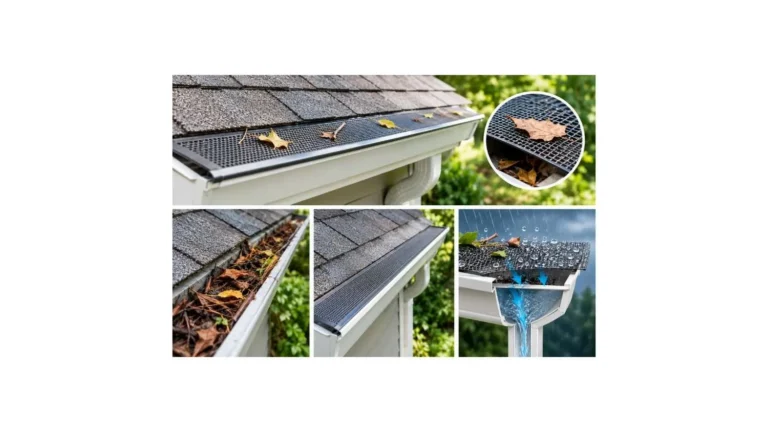
- Gutters and roof edges: Clogged gutters can back up water under the shingles, especially in winter.
- Missing underlayment at the edges: If a roof was installed without a waterproof ice-and-water layer along the eaves and valleys, melting snow can creep under the shingles in spring and drip through a seam in the roof boards.
- Older skylights: Plastic bubble-style skylights often leak at the seam where the plastic meets the frame, because the plastic expands and shrinks with the weather.
Step 6: Do a Hose Test
If you still can’t find the leak, a hose test is the most reliable way to find a roof leak on a dry day. You’ll need a helper.
- Your helper goes into the attic with a flashlight and a phone and watches the area where the stain is.
- You get on the roof (only if it’s safe) or use a ladder, with a garden hose. Don’t use a pressure washer.
- Start low, just above where you think the leak is. Soak one small area for a few minutes.
- Slowly move up the roof, section by section. Soak each spot for several minutes before moving on.
- When your helper sees water, they call out. The last area you sprayed is where the leak is.
Be patient. This test can take an hour or more. Spray downward, the way rain falls, not up under the shingles.
Step 7: Mark It and Make a Plan
Once you find the leak, mark it from inside and outside, take photos, and write down what you saw. Then decide whether it’s a small fix you can handle or a job for a roofer. Many leaks can be fixed with a simple repair, like replacing one shingle or one vent boot.
Most Common Places Roofs Leak (and Repair Costs)
| Leak spot | What usually goes wrong | Typical repair cost |
|---|---|---|
| Shingles | Missing, cracked, or lifted | $150 to $450 |
| Flashing | Rusted, loose, or bad sealant | $200 to $600 |
| Plumbing vent boot | Cracked rubber collar | $100 to $600 |
| Skylight | Failed seal or flashing | $300 to $800 (up to $2,800 to replace) |
| Roof valley | Worn metal, debris, bad install | $300 to $1,500 |
| Chimney | Flashing, cracked cap, or mortar | $200 to $3,500 |
Typical 2026 national cost ranges. Prices vary by region.
How to Find a Roof Leak With No Attic
Many homes have vaulted or cathedral ceilings, a flat roof, or an attic you can’t get into. That makes it harder, but not impossible. Here’s how to find a roof leak with no attic:
- Look at the stain’s location. Go outside and find the part of the roof above it. Look for vents, skylights, chimneys, or valleys a little higher up the slope.
- Check outside walls. Walk around your home and look for water stains or damp spots on the siding and under the roof edge.
- Check light fixtures and fans. Water often follows wires and drips out of fixtures.
- Use a moisture meter. It can show how far damp drywall spreads, which points toward the source.
- Do a careful hose test. The same steps work. Your helper just watches the ceiling instead of the attic.
- Flat roofs: Look for standing water (ponding), cracked or bubbling seams, and worn spots around drains and vents. Seams are the weak point on flat membrane roofs, and poorly sealed seams can leak early in the roof’s life.
In most homes without an attic, a roofer will need to inspect the roof from the top. If the leak is hidden, they may need to open a small part of the ceiling to trace it. Patching from inside the ceiling won’t fix a roof leak. And on an older roof, one big leak is often a sign of several smaller ones, so ask the roofer to check the whole surface. Be careful walking on old asphalt shingles, too. They can be brittle enough that stepping on them creates new leaks.
Is It Really a Roof Leak?
Not every drip comes from the roof. Part of knowing how to find a roof leak is knowing when it isn’t one. Before you pay for roof leak repair, rule out these common look-alikes:
| Look-alike | Clues | What to check |
|---|---|---|
| Attic condensation | Wet wood or frost on nails in cold weather, even without rain | Attic vents, and bathroom or dryer fans that blow into the attic |
| Plumbing leak | Stain under a bathroom or laundry room; leaks when it’s dry | Pipes, tubs, toilets, and washers above the stain |
| AC or furnace line | Drips in summer when the AC runs | AC drain line and drip pan in the attic |
| Ice dams | Leaks near the roof edge during snow melt | Attic insulation and airflow |
| Window or siding leak | Stains near windows; leaks in wind-driven rain | Window seals and caulking |
How to Fix a Roof Leak You Can’t Find
Some leaks are very hard to track down, even when you know how to find a roof leak. If you’ve tried the steps above and still have no answer:
- Wait for the next rain and check the attic while it’s raining. Active water is much easier to follow.
- Open the ceiling. If the stain keeps growing, cutting out a small piece of drywall lets you see the water path. Many homeowners and roofers in online forums say this is often the only way to find a stubborn leak.
- Check beyond the roof. Leaks can start at windows, siding, chimney bricks, or vents and travel inside the wall.
- Hire a leak detection pro. Roofers and inspectors can use moisture meters, water testing, and sometimes infrared (thermal) cameras to spot wet areas. Infrared is more common on commercial and flat roofs, and it shows where water is, not always why it got in.
Will a Roof Leak Cause Mold?
Not always. This is one more reason learning how to find a roof leak quickly matters. Mold needs moisture that sticks around. A one-time or short leak that stains a ceiling usually won’t cause mold if you find it and fix it quickly and let the area dry. Mold becomes much more likely when a slow leak keeps wood, drywall, or insulation damp for days or weeks.
How to check without opening the ceiling: Use a moisture meter on the stained area and around it. If the readings are normal, the area is dry and mold is unlikely. If they stay high, there’s still moisture inside, and the risk of mold is higher. Replace wet insulation, dry the area with fans or a dehumidifier, and call a mold pro if you see growth or smell a strong musty odor.
Finding Leaks in Mobile Home, Trailer, and RV Roofs
Knowing how to find a roof leak on a mobile home, trailer, or RV takes a slightly different approach. These roofs leak in slightly different ways. They rely heavily on sealant, and that sealant often starts to crack and shrink after about 5 years. Even a gap as thin as a razor blade can let water in.
- Check every spot where something goes through the roof: vent pipes, AC units, and vent domes.
- Look closely where the roof meets the side walls. This joint is one of the most common leak spots.
- Look for punctures, cracks, and worn weatherstripping.
- Remember that water inside an RV almost never shows up right under where it gets in. Inspect the whole roof, not just the area above the wet spot.
- Reseal any joint or seam that looks cracked or shrunken with a sealant made for your roof material.
Temporary Fixes Until the Roof Is Repaired
- Tarp it. If it’s safe and dry, cover the damaged area with a heavy tarp that extends past the leak and over the roof peak if possible. Weigh or fasten the edges.
- Patch small holes. A bit of roofing cement or roofing tape can seal a small gap or nail hole for now.
- Don’t cover everything in tar. Roofers warn that roofing tar on its own is a short-term bandage most of the time. It can be part of a proper repair, but by itself it rarely fixes the real problem, except when recoating a flat roof.
These are short-term fixes. Plan a proper repair as soon as you can.
Roof Leak Repair: DIY or Hire a Pro?
You can probably do it yourself if: the roof is low and not steep, you’re comfortable on a ladder, and the fix is simple, like replacing a single shingle or sealing a small gap.
Call a pro if:
- Your roof is steep, high, or more than one story.
- You can’t find the leak.
- The leak is around a chimney, skylight, or valley.
- The wood under the shingles feels soft or looks rotten.
- Your roof is old and may need replacing.
- You plan to file an insurance claim.
Even if you hire a pro, knowing how to find a roof leak helps you explain what you’ve seen. Choose a licensed, insured roofer and get the price in writing. A good roofer will fix the cause, not just the stain.
Roof Leak Repair Cost in 2026
The national average roof leak repair cost is about $800, with most homeowners paying between $350 and $1,500 based on 2026 national cost data.
- Minor leak on an asphalt roof: about $150 to $800
- Major leak on an asphalt roof: about $800 to $2,500
- Serious leaks with rotted wood or structural damage: up to about $8,000
What changes the price:
- Where the leak is (chimneys and valleys cost more than a single shingle)
- How steep and high the roof is
- Whether the wood underneath is damaged
- Roof material (tile, slate, and metal cost more to repair)
- Emergency or weekend service, which usually costs extra
- Fixing inside damage like drywall, insulation, and paint
The longer you wait, the more a leak usually costs. Small leaks can rot wood, ruin insulation, and grow mold over time.
Does Homeowners Insurance Cover a Roof Leak?
It depends on what caused it. Most standard homeowners policies cover leaks from sudden, accidental events like storms, hail, wind, or a fallen tree. That can include damage to ceilings, walls, floors, and your belongings.
Insurance usually does not cover leaks from old age, normal wear and tear, poor maintenance, or bad workmanship. Some insurers also pay less for older roofs because they take off value for age. Read your policy, know your deductible, and take photos of all damage before you clean up.
How to Prevent Roof Leaks
- Check your roof from the ground every spring and fall, and after big storms. Use the steps above on how to find a roof leak to catch small problems early.
- Look in the attic a few times a year for stains, damp insulation, or daylight.
- Clean your gutters at least twice a year.
- Trim tree branches that hang over the roof.
- Replace cracked vent boots and worn sealant before they leak.
- Make sure your attic has good airflow and insulation to prevent condensation and ice dams.
- Get a professional roof inspection every year or two, especially once your roof is over 15 years old.
Frequently Asked Questions
How can you tell where a roof leak is coming from?
Start in the attic above the ceiling stain and look for wet wood or water trails. Follow them uphill, because water runs down the roof before it drips. Then check nearby flashing, vent pipes, valleys, and shingles. If you still can’t tell, do a hose test with a helper.
Does homeowners insurance pay for a leaky roof?
Usually, if the leak was caused by a sudden event like a storm, hail, or a fallen tree. It usually won’t pay if the leak came from old age, wear and tear, or poor maintenance. Check your policy for details.
How much does it usually cost to fix a roof leak?
Most roof leak repairs cost between $350 and $1,500, with a national average of about $800. Small fixes like a single shingle or vent boot can cost $100 to $450. Big leaks with wood damage can cost several thousand dollars.
How do you fix a roof leak you can’t find?
Check the attic during a rainstorm, do a hose test, and look beyond the roof at windows, siding, and chimneys. If that doesn’t work, a roofer can use moisture meters or open part of the ceiling to trace the water.
How do you find a leak in a roof without an attic?
Look at the roof directly above the stain and check vents, skylights, and valleys a little higher up. Check outside walls and light fixtures, and try a hose test while a helper watches the ceiling. In many cases, a roofer will need to inspect the roof from the top.
Why does my roof only leak in heavy rain?
When it rains hard, water can overflow clogged gutters or valleys, or get pushed under worn flashing and lifted shingles. Small gaps that stay dry in light rain can let water in during a downpour.
Can you find roof leaks with infrared?
Yes, sometimes. Infrared cameras can show wet areas because they hold heat differently. They’re used more on flat and commercial roofs. They show where water is, but a roofer still needs to find why it got in.
Does a roof leak always lead to mold?
No. A short, one-time leak that’s fixed quickly and dried out usually won’t cause mold. Mold grows when moisture stays for a long time. A moisture meter can tell you if the ceiling or wall is still wet inside.
Where do most roof leaks start?
Most leaks start at roof valleys, plumbing vent boots, and flashing around chimneys, skylights, and walls. Leaks in the middle of the roof are uncommon unless shingles are missing.
How do you find a leak in a mobile home or RV roof?
Check all roof penetrations like vents and AC units, and the joint where the roof meets the walls. Sealants on these roofs often start failing after about 5 years, so look for any crack or gap and reseal it.
Final Thoughts
Now you know how to find a roof leak: protect your home first, start in the attic, follow the water uphill, check the common leak spots, and use a hose test if you need to. Most leaks come from flashing, vent boots, valleys, or damaged shingles, and many can be fixed for a few hundred dollars.
Don’t wait on a leak, even a small one. The sooner you find it and fix it, the less it will cost. And if your roof is steep, tall, or the leak just won’t show itself, call a trusted local roofer. Knowing how to find a roof leak will still help you ask the right questions and make sure the real problem gets fixed.