
12 Signs You Need a New Roof (and When a Repair Is Enough)
Your roof protects everything inside your home. But most people only look at it when something goes wrong. By then, a small problem may have turned into a big and costly one. Knowing the signs you need a new roof can help you act early. It can also save you from spending money on a new roof you don’t need yet.
In this guide, we’ll walk you through 12 clear signs you need a new roof, from curling shingles to daylight in the attic. You’ll learn how long a roof lasts, how to tell a real roof problem from something else, and when a simple repair is enough. We’ll also cover roof replacement cost in 2026 and what to do if money is tight. Everything is written in plain words, so you can check your own roof with confidence. By the end, you’ll know exactly what your next step should be.
Quick answer: The main signs you need a new roof are: your roof is near the end of its life (about 15 to 20 years for 3-tab shingles, 25 to 30 years for architectural shingles), shingles are curling or missing across large areas, you find lots of granules in your gutters, the roofline sags, you see daylight in the attic, or leaks keep coming back. If damage is small and your roof is less than 15 years old, a repair is usually enough.
How Long Does a Roof Last?
Age is the first of the signs you need a new roof to check. Even a roof that looks fine from the street can be worn out if it’s past its expected life. Here’s how long a roof lasts by material, based on data from HUD, InterNACHI, and national roofing cost guides.
| Roof material | Typical lifespan |
|---|---|
| 3-tab asphalt shingles | 15 to 20 years |
| Architectural (dimensional) asphalt shingles | 25 to 30 years |
| Wood shakes | 25 to 30 years (up to 50 with good care) |
| Metal | 40 to 70 years |
| Clay or concrete tile | 50 to 100 years |
| Slate | 60 to 150+ years |
These are averages, not promises. Hot sun, heavy snow, strong storms, poor attic airflow, and bad installation can all shorten a roof’s life. A roof installed over an old layer of shingles also tends to wear out faster, often around the 20-year mark.
How Long Do Architectural Shingles Last?
Architectural shingles (also called dimensional shingles) are thicker and heavier than 3-tab shingles. They have two layers glued together, which gives them a 3D look and better wind resistance. Most last about 25 to 30 years. With good attic ventilation and mild weather, some last even longer. Most new asphalt roofs in the U.S. today use architectural shingles, so if your home was roofed in the last 15 years, there’s a good chance that’s what you have.
How to Find Out How Old Your Roof Is
Not sure when your roof was put on? Try these steps:
- Check your home purchase papers or home inspection report.
- Look for a roofing permit. Your city or county building office often keeps records online.
- Ask the previous owner or your neighbors. Homes in the same area were often roofed around the same time.
- Look for a warranty card or receipt from the roofing company.
- Ask a roofer. They can usually estimate age from the shingle style and wear.
12 Signs You Need a New Roof
Some of these signs you can spot from your yard. Others show up inside your home or attic. One sign alone doesn’t always mean you need a whole new roof. But if you see several of these signs you need a new roof at the same time, it’s time to call a pro.
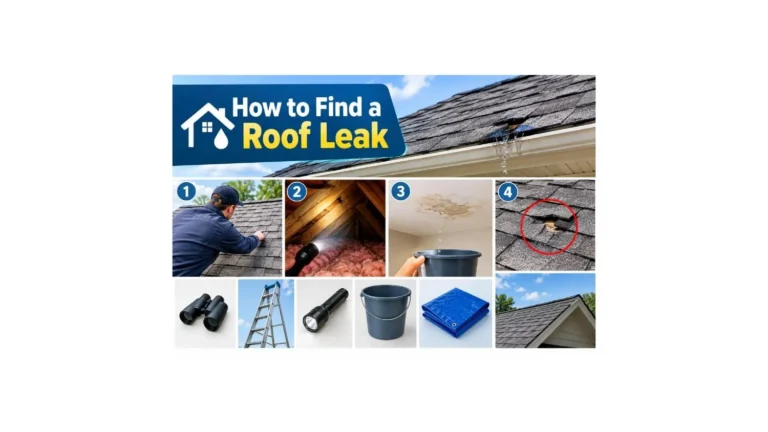
Safety first: Don’t climb onto your roof. Use binoculars or your phone’s zoom from the ground, and check the attic with a flashlight.
Signs You Can See From Outside
1. Your Roof Is Near or Past Its Age Limit
If your 3-tab roof is close to 20 years old, or your architectural roof is close to 30, it’s time to start planning. You don’t have to replace it the day it hits that age. But this is when problems start to show up quickly, and it’s smart to get it inspected every year. Age is one of the most overlooked signs you need a new roof.
2. Curling, Cupping, or Buckling Shingles
Healthy shingles lie flat. Curling means the edges turn up. Cupping means the middle sinks and the edges rise. Buckling means the shingle looks wavy. All of these let wind and water get under the shingles. Curling on a few shingles may be fixable. Curling across a whole side of the roof is one of the clearest signs you need a new roof.
3. Cracked, Broken, or Missing Shingles
A few missing shingles after a storm can be replaced. But if shingles are cracking all over the roof, or you keep finding them in your yard, the roof is getting old and brittle. Each missing shingle leaves the wood underneath open to rain.
Shingles blowing off in storms? That usually means one of two things. Either the sticky sealing strip that bonds each shingle to the one below has dried out, or the shingles have turned brittle with age. Both are signs the roof is wearing out. But if the loose shingles are still soft and bend easily, the cause may simply be a strong wind or shingles that were nailed in the wrong spot. In that case, a repair is often enough. Some experienced roofers use a rough rule: if you can count more than about 20 missing shingles from the ground with binoculars, it’s time to think about replacement.
4. Lots of Granules in Your Gutters
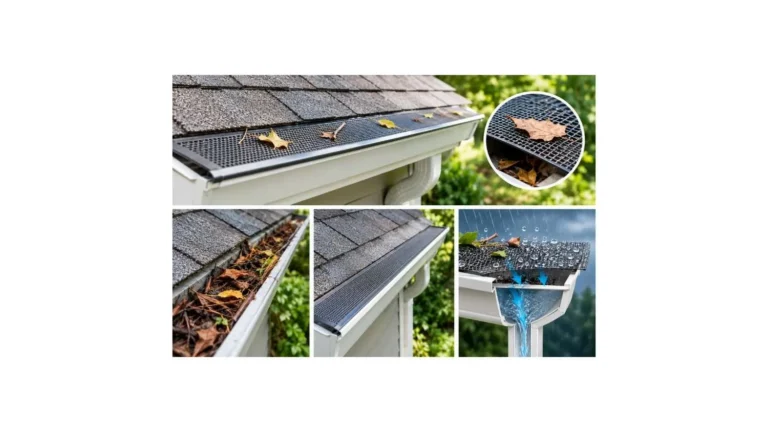
Asphalt shingles are covered with small, sand-like granules. These protect the shingles from the sun. Some granule loss is normal, especially on a new roof. But if you find piles of granules in your gutters or at the bottom of downspouts, or you see dark, bare patches on the roof, the shingles are wearing out. Bare shingles get brittle and start to leak. Heavy granule loss is one of the earliest signs you need a new roof.
5. Moss, Algae, or Dark Streaks
Dark streaks are often algae. It mostly affects how the roof looks. Moss is a bigger problem. It holds water against the shingles, and it can wedge between them and break the seal that holds them down. Its roots can also push shingles up and create leaks. Moss is common on shady roofs in damp areas. Don’t scrape it off yourself, because that can damage the shingles. A pro can clean it, but heavy moss on an older roof often means it’s time to replace it.
6. Damaged or Rusted Flashing
Flashing is the metal that seals the joints around chimneys, skylights, vents, and roof valleys. If it’s cracked, rusty, bent, or pulling away, water can slip inside. Flashing can often be repaired on its own. But if it’s failing in many spots on an older roof, a full replacement may make more sense.
7. A Sagging or Wavy Roofline
Your roofline should be straight. If it dips, droops, or looks wavy, the wood decking or the frame underneath may be rotting or broken. This is a serious problem. Call a roofer right away. A sagging roof is one of the most urgent signs you need a new roof, and it may also need structural repairs.
8. Hail or Storm Damage
Hail can leave dents, cracks, and dark spots where granules have been knocked off. You may also see dents in your gutters, downspouts, or metal vents. Storm damage isn’t always easy to see from the ground. After a big hail or wind storm, it’s worth getting a free inspection, because your homeowners insurance may help pay for repairs or a new roof.
9. Exposed or Popped Nails
Nails that stick up or show through the shingles can tear the shingle above them and let water in. You may also see small dark stains around them. A few popped nails can be fixed. Many of them can point to old shingles, poor installation, or a decking problem.
Signs You Can See From Inside
10. Leaks, Water Stains, or Peeling Paint
Brown, yellow, or orange stains on your ceiling or walls mean water is getting in. So does paint that bubbles, peels, or swells, especially near the ceiling. One leak in one spot can often be repaired. But leaks that keep coming back, or show up in different rooms, are strong signs you need a new roof.
11. Daylight Through the Roof Boards
Go into your attic on a sunny day and turn off the lights. A little light near vents is normal. But if you see beams of daylight coming through the roof boards, water can come in too. While you’re up there, look for soft or spongy spots, dark or stained wood, and damp insulation. These mean the roof deck is getting wet. Daylight in the attic is one of the signs you need a new roof that you should never ignore.
12. Mold, Musty Smells, or Higher Energy Bills
A musty smell in the attic, mold on the wood, or wet insulation are early warning signs that many homeowners miss. A worn-out roof can also let warm or cool air escape. If your heating and cooling bills keep going up for no clear reason, your roof and attic may be part of the problem.
Bonus sign: If your neighbors with homes built at the same time are all getting new roofs, yours may not be far behind.
The 3-Part Shingle Health Test Inspectors Use
Many home inspectors judge an asphalt roof with three simple checks. A roofer can do these for you, or you can ask about them during an inspection. They’re a great way to spot the signs you need a new roof before any leaks start.
- Bendability (pliability): On a warm day, a healthy shingle corner should bend without snapping. If it cracks or breaks, the shingles have dried out and become brittle. Brittle shingles break easily in wind and hail.
- Sealing (shingle-to-shingle bonding): Each shingle should be stuck firmly to the one below it. Inspectors want to see most shingles still bonded. If around half of them have come loose, the sealing strips have dried out, and the roof will lose shingles in the next big wind.
- Granule coverage: The shingles should still be covered in granules. Bare black patches mean the shingles are no longer protected from the sun.
If your shingles fail one test, a repair may still make sense. If they fail two or three, replacement is usually the smarter choice.
Troubleshooting: Is It Really Your Roof?
Not every stain or leak is one of the signs you need a new roof. Before you pay for a new roof, rule out other causes. This simple table can help.
| What you notice | Could be the roof if… | Could also be… | What to check |
|---|---|---|---|
| Ceiling stain | It gets bigger after rain | A plumbing leak, bathroom, or AC line above it | Pipes, tubs, and AC drain lines above the stain |
| Wet attic or frost on nails | Water drips during rain | Condensation from poor attic airflow | Attic vents, bathroom fans that vent into the attic |
| Peeling paint near ceiling | It’s near a chimney or roof valley | High humidity from a kitchen or bathroom | Exhaust fans and room humidity |
| Leak only in wind-driven rain | Flashing or shingles are loose | Gaps around windows or siding | Window seals and caulking |
| Water at the roof edge in winter | Shingles are damaged at the eaves | Ice dams caused by heat escaping from the attic | Attic insulation and ventilation |
If a problem comes from attic airflow, plumbing, or insulation, fixing that is usually much cheaper than a new roof. If you replace the roof without fixing the real cause, the problem can come right back.
Repair or Replace? How to Decide
Seeing one or two signs you need a new roof doesn’t always mean you need a whole new roof. A good rule from roofing experts is simple: repair small, isolated problems; replace the roof when the problems are everywhere.
A repair is usually enough if:
- Your roof is less than 15 years old.
- The damage is in one small area, like a few blown-off shingles or one leak around a vent pipe.
- The wood decking underneath is solid.
- The repair costs less than about 30% of a new roof.
Replacement usually makes more sense if:
- Your roof is over 20 years old (3-tab) or close to 30 (architectural).
- Damage covers a large part of the roof, often 30% or more.
- You see several warning signs at once, such as curling, granule loss, and leaks.
- Leaks keep coming back after repairs.
- The roof is sagging or the decking is soft.
- You plan to sell soon. An old roof can scare off buyers or lower your offer.
| Example situation | Best choice |
|---|---|
| 10-year-old roof, 5 shingles blown off in a storm | Repair |
| 12-year-old roof, one leak around a vent pipe | Repair |
| 18-year-old 3-tab roof, small leak | Repair now, plan to replace in a few years |
| 22-year-old roof, leaks in several rooms | Replace |
| 25-year-old roof, heavy granule loss and curling | Replace |
| Any age, sagging roofline | Get an inspection right away; replacement and structural repair are likely |
How Often Should You Replace a Roof?
How often should you replace a roof? It depends on the material. Most homes with asphalt shingles need a new roof every 15 to 30 years. A 3-tab roof usually needs replacing every 15 to 20 years, and an architectural roof every 25 to 30 years. Metal, tile, and slate roofs may only need replacing once in your lifetime, or never.
Many experts suggest replacing an asphalt roof a few years before the end of its expected life rather than waiting for leaks. Once water gets in, it can damage the decking, insulation, and drywall, which adds a lot to the bill. A yearly inspection after age 15 will help you pick the right time.
Roof Replacement Cost in 2026
Roof replacement cost depends mostly on the size of your roof and the material you choose. Here are the latest 2026 numbers:
- Average asphalt shingle roof: about $10,300 for a 2,000-square-foot roof, or around $5.16 per square foot, based on national cost data updated in October 2026.
- Typical range: about $6,700 to $25,000, with an average near $14,000 for architectural shingles, based on 2026 cost estimates.
- Average roof repair: about $1,100 on average. A roof inspection costs about $240 on average.
| Material | Installed cost per square foot | Cost for a 2,000 sq. ft. roof |
|---|---|---|
| 3-tab asphalt shingles | $4.25 to $8.25 | $8,500 to $16,500 |
| Architectural shingles | $4.50 to $12.50 | $9,000 to $25,000 |
| Steel metal | $4.50 to $17.00 | $9,000 to $34,000 |
| Tile | $5.00 to $18.00 | $10,000 to $36,000 |
| Slate | $12.00 to $22.00+ | $24,000 to $44,000+ |
Typical 2026 per-square-foot prices. Your price will depend on where you live.
What Changes Your Roof Replacement Cost
- Roof size and shape: More valleys, dormers, and angles mean more labor and waste.
- Steepness and height: Steep or two-story roofs take more safety gear and time.
- Tear-off: Removing old shingles adds about $1.00 to $1.50 per square foot.
- Rotten decking: Replacing damaged wood underneath adds to the bill.
- Labor: Labor is the biggest part of the cost, often around two-thirds of the total.
- Permits and extras: Permits, new flashing, drip edge, underlayment, and vents all add up.
Should You Replace Your Roof If It’s Not Leaking?
Yes, sometimes. A roof doesn’t have to leak to be worn out. By the time water drips into your living room, it has often been soaking the decking and insulation for months. If your roof is past its expected life and shows other signs, like curling shingles or heavy granule loss, it’s often smarter to replace it before leaks start. Planning ahead also lets you pick the season, compare quotes, and avoid an emergency price.
Need a New Roof but Can’t Afford It?
A new roof is a big expense. If you see signs you need a new roof but your budget is tight, here are some options:
- Check your insurance. If the damage came from a storm, hail, or a fallen tree, your homeowners policy may help pay. Insurance usually does not replace a roof just because it’s old. Read your policy, know your deductible, and call your insurer before a roofer starts work so an adjuster can see the damage.
- Repair to buy time. Fixing leaks and replacing damaged shingles can give you a year or two to save money.
- Ask about financing. Many roofers offer monthly payment plans. Compare interest rates carefully.
- Book in the off-season. Late fall and winter are slower months in many areas, and you may get a better price.
- Look for local help. Some states, cities, and nonprofits offer home repair grants or low-interest loans, especially for seniors and low-income homeowners.
- Look into energy savings. Some energy-efficient roofing products may qualify for local rebates or utility programs.
How to Check Your Roof Safely
The easiest way to catch signs you need a new roof early is a basic check. You can do it yourself twice a year, in spring and fall, and after big storms:
- Walk around your home and look at the roof with binoculars. Look for missing, curled, or cracked shingles and a straight roofline.
- Check the gutters for granules, shingle pieces, and rust.
- Look at the flashing around the chimney, vents, and skylights.
- Go into the attic with a flashlight, ideally after a rain. Look for water stains, wet insulation, mold, and daylight.
- Check ceilings and walls on the top floor for stains or peeling paint.
- Take photos each time, so you can see if things get worse.
If you find anything worrying, call a licensed roofer for a full inspection. Get at least three written quotes before you agree to any big job.
Watch Out for Storm Chasers
After big storms, some people go door to door offering “free” roofs or quick deals. Many are honest, but some are not. Be careful with anyone who pressures you to sign right away, asks for full payment up front, or isn’t licensed in your state.
Choose a local roofer with a real address, good reviews, proper insurance, and clear written warranties. Many homeowners suggest picking a roofer who has worked in your area for at least 8 years with no open complaints, and getting at least three written bids.
Frequently Asked Questions
What are five signs that my roof needs to be replaced?
Five common signs you need a new roof are: shingles curling or missing across large areas, lots of granules in your gutters, a sagging roofline, daylight showing through the roof boards, and leaks that keep coming back. A roof that’s past its expected age is another big sign.
How long does a roof last?
It depends on the material. 3-tab asphalt shingles last about 15 to 20 years, architectural shingles about 25 to 30 years, metal about 40 to 70 years, tile about 50 to 100 years, and slate can last over 100 years.
How often should you replace a roof?
Most asphalt shingle roofs need replacing every 15 to 30 years. Metal, tile, and slate roofs last much longer and may never need replacing while you own the home.
How long do architectural shingles last?
Architectural shingles usually last 25 to 30 years. Good attic ventilation, proper installation, and mild weather can help them last longer.
Is $30,000 too much for a roof?
Not always. For a large, steep, or two-story home, or for metal, tile, or slate, $30,000 can be a fair price. For an average-size home with asphalt shingles, it’s on the high side, since many asphalt roofs cost about $10,000 to $25,000. Get at least three quotes to compare.
How much does it cost to replace the roof on a 4,000-square-foot house?
It depends on the size of the roof, not the house. A two-story 4,000-square-foot home may have about 2,300 to 2,500 square feet of roof, which could cost roughly $11,000 to $30,000 with asphalt shingles. A one-story 4,000-square-foot home has a much bigger roof, often 4,500 square feet or more, which could cost $20,000 to $55,000 or more.
Can you put new shingles over old ones?
In many areas, you can add one new layer of asphalt shingles over one old layer if local codes allow it. It costs less, but it hides problems in the decking and the roof may not last as long. Most roofers recommend a full tear-off.
Can you replace shingles without replacing the whole roof?
Yes. If only a few shingles are damaged and the rest of the roof is healthy, a roofer can lift the shingles above, remove the damaged ones, and nail in new ones. This works best on younger roofs. On old, brittle roofs, nearby shingles often crack during the repair.
How many layers of shingles can a roof have?
Most building codes allow no more than two layers of asphalt shingles. Shingles are heavy, so extra layers add stress to the roof frame. If your roof already has two layers, the next replacement will need a full tear-off.
Should I repair or replace my roof after hail damage?
It depends on how widespread the damage is. A few dented or cracked shingles can be repaired. Damage across most of the roof usually means replacement. Call your insurance company first. An adjuster will inspect the roof and decide what the policy covers.
How many shingles do I need for a 1,000-square-foot roof?
Roofers measure in “squares,” and one square covers 100 square feet. A 1,000-square-foot roof is 10 squares. Most asphalt shingles come about 3 bundles per square, so you’d need about 30 bundles, plus 10% to 15% extra for waste, cuts, and ridge caps.
Final Thoughts
Your roof usually gives you plenty of warning before it fails. Curling or missing shingles, heavy granule loss, a sagging roofline, daylight in the attic, and repeated leaks are the most important signs you need a new roof. If your roof is young and the damage is small, a repair is often all you need. If it’s old and the problems are everywhere, replacing it now will save you money and stress later.
Check your roof twice a year, keep an eye on your attic, and call a trusted local roofer when you spot trouble. Catching the signs you need a new roof early is the best way to protect your home and your wallet.